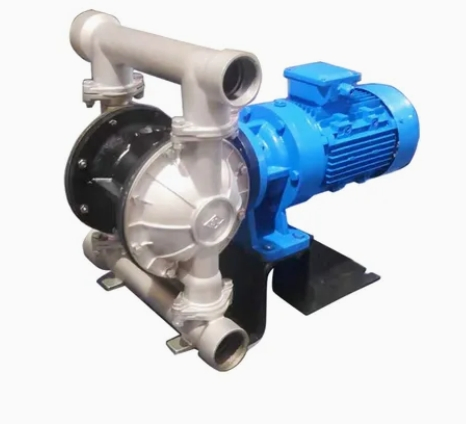
This diaphragm pump buying guide is written for industrial buyers, importers, project engineers, and equipment distributors who need a practical way to compare pump models before ordering from a China manufacturer. A diaphragm pump should be selected by working condition, not only by product name. Buyers should prepare the liquid name, flow rate, pressure, temperature, voltage, installation space, and operating hours before asking for a quotation.
Originale Puissance supplies diaphragm pump solutions for chemical transfer, wastewater, paint, slurry, solvent, food liquid, dosing, pneumatic transfer. The correct model depends on media condition, duty point, material requirement, and site layout. A reliable diaphragm pump supplier should help buyers compare the pump curve, motor power, seal plan, spare parts, and factory price before production.
Important selection points include diaphragm material, ball valve, seat, air supply, stroke, self-priming height, dry-run ability, chemical compatibility. These details affect performance, service life, maintenance cost, and delivery time. If the liquid is corrosive, abrasive, hot, viscous, or contains solids, the pump factory needs more complete information to avoid wrong model selection.
How to Choose a Diaphragm Pump for Your Project
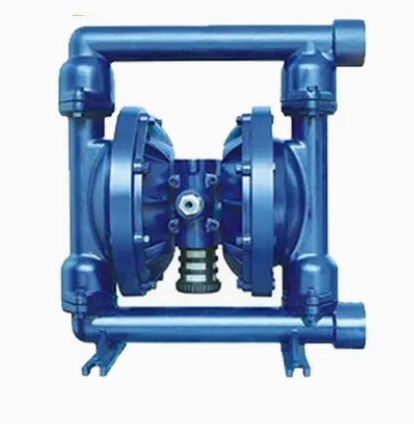
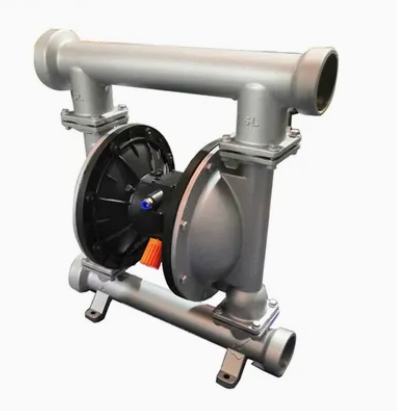
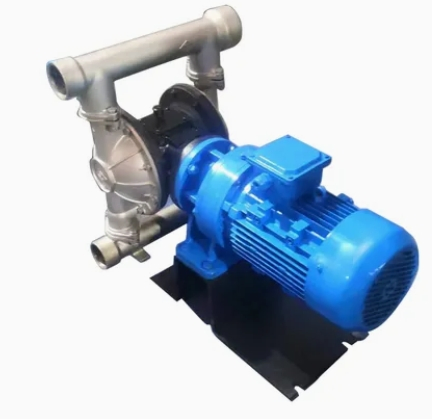
Common diaphragm pump choices include air operated diaphragm pump, electric diaphragm pump, sanitary diaphragm pump, AODD pump. Each design has a different working range, so buyers should compare flow, head or pressure, suction condition, material, seal, and drive method carefully. For OEM projects, the pump can also be supplied with a motor, baseplate, coupling guard, valve, gauge, and control cabinet.